
We acknowledge the Traditional Owners and Custodians of the land where we live and work and their continuing connection to land, water, sea and community. We pay respects to Australia’s First Peoples, to their unique and diverse cultures, and to Elders past, present and future.

Welcome
A message from the chair & CEO.
Welcome to our 2025 Annual Report, where we celebrate a year of building sustainably.
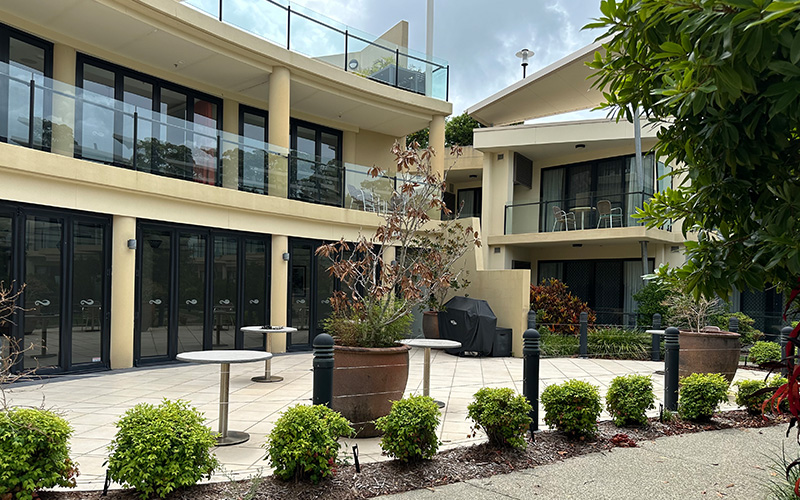
Social Futures continues a strong regional commitment to housing and economic resilience initiatives in communities across the Northern Rivers. Opening the South Tweed Temporary Accommodation building represents a new chapter for Social Futures — one where we can provide both the shelter, and the wrap-around support services. Our ultimate goal is to support people into permanent housing.
We undertook our CX Maturity Assessment, reaffirming our commitment to providing outstanding customer experiences. This led us to introduce new frameworks designed to support and continually improve how we connect with the people we serve.
Our Practice Framework continues to guide our work. It is anchored in the principles of integrity, inclusion and learning. Embracing gold-standard models like Safe and Together and the SafeSide Framework for Suicide Prevention have equipped our teams to deliver outstanding, evidence-based family interventions and suicide prevention support.
We continue to integrate lived and living experience into service design and practice, fostering healing and peer connection through a designated Lived Experience Practice Lead role; and initiatives such as our external Lived Experience Advisory Panel, and internal Lived Experience Advisory Group.
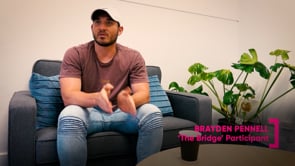
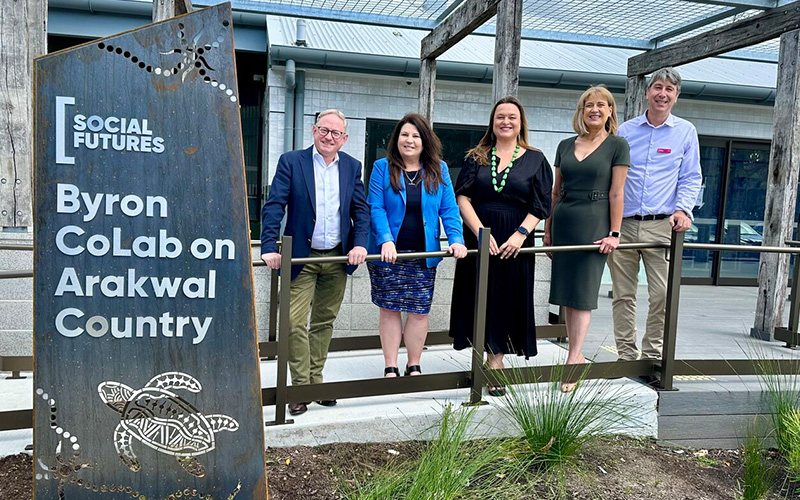
Expansion has been at the heart of our work, delivering new programs like The Indie Project, Medicare Mental Health Centre and The Bridge; expanding Care Connect in the Hunter and on the Central Coast, expanding headspace in Ballina; and opening the community hub Byron CoLab on Arakwal Country. We encourage you to read more about these initiatives in the program section below.
In 2024‒25, we farewelled valued board members and welcomed new leaders. As we look ahead, our focus remains clear: building inclusive communities, supporting people across every stage of life, and championing a future where everyone belongs and thrives.
Our current governance structure can be viewed by clicking here.

Chair
Chris Leach

CEO
Tony Davies
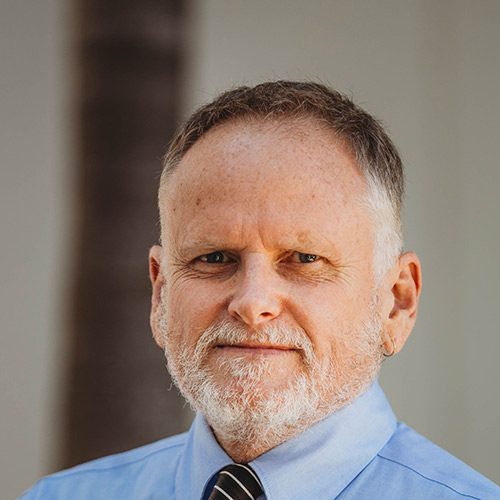
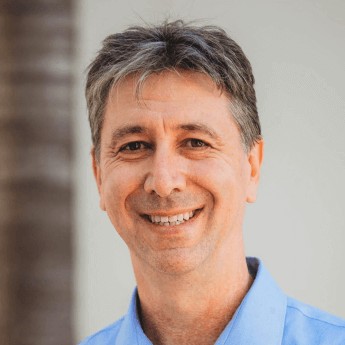
Chair
Chris Leach
CEO
Tony Davies

Impact
Empowering people to thrive.
Social Futures is dedicated to achieving positive social change. We create inclusive communities and bridge the gap of social isolation. We connect people to the support they need, when they need it.
We work with communities, organisations and government across homelessness and housing, children, youth, families and employment, mental health and wellbeing, disability inclusion, sector support, seniors in community and Veteran support.


 Mental Health and Wellbeing
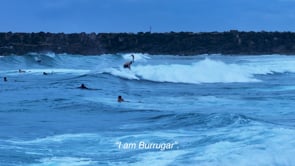
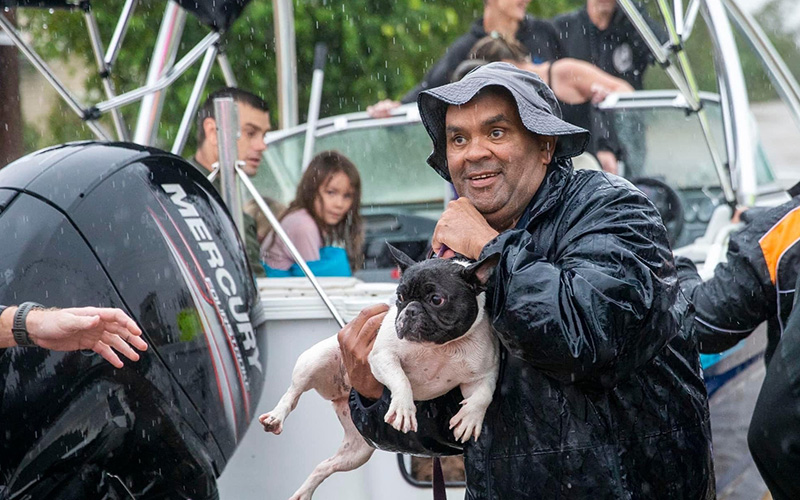
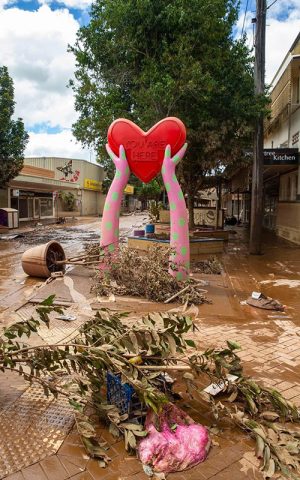
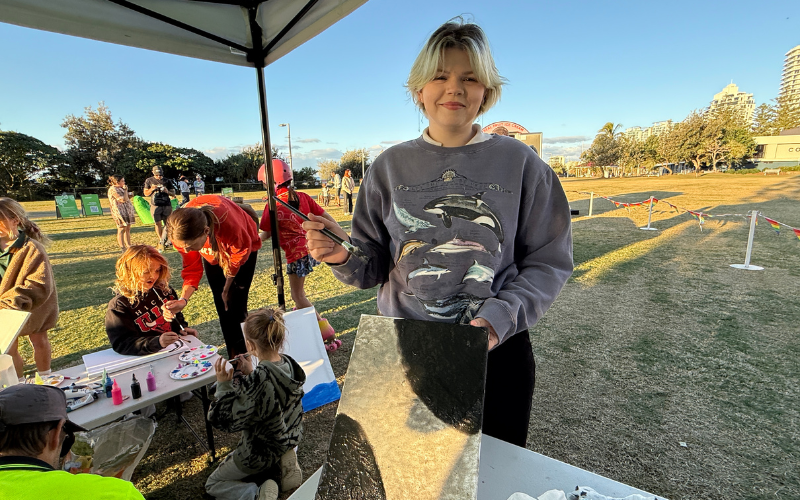
This past year marked a significant achievement in Social Futures’ commitment to supporting young people. We rolled out the million-dollar Youth Participation Fund, which supported eight community organisations to deliver vital, youth-led recovery projects for flood-affected young people across the Northern Rivers region of New South Wales.
The grants were part of the Resilient Kids program, funded by Healthy North Coast through a $10 million initiative from the Australian Government to support disaster recovery for Northern Rivers young people aged eight to 18 years post-floods.
We are proud to highlight the impact this program has had on fostering connection and resilience., and to showcase several of the funded projects.
Learning, friendship and resilience building
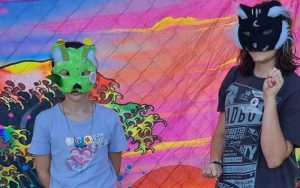
Funding enabled local organisations to create innovative and engaging programs tailored to the needs of their communities. For example, the Sprouts program provided a welcoming space for queer and questioning children to engage in creative expression and hands-on learning such as art workshops, gardening projects, and storytelling sessions.
Through these opportunities, young people developed coping strategies and problem-solving skills to:
- build resilience,
- enhance self-esteem, and
- improve social and emotional wellbeing.
Teamwork, bushcraft and time in nature
Empowered Futures Camps offered immersive, multi-day experiences designed to:
- nurture leadership,
- build confidence, and
- strengthen resilience.
Participants engaged in team-building exercises, outdoor challenges, and leadership workshops, where they learned effective communication and decision-making skills. These camps also featured group reflections and mentorship from community leaders, empowering young people to see themselves as capable leaders and valued contributors to their communities.
Confidence-building and disaster preparedness strategies
The Village Young Men’s Story provided young participants with informed wellbeing guidance, emotional and social support, confidence-building activities, and disaster preparedness strategies following the floods. Through group storytelling circles, participants explored themes like overcoming adversity, the power of friendship, and personal growth. These stories not only fostered understanding and empathy among peers but also helped to reduce stigma and strengthen a sense of belonging.
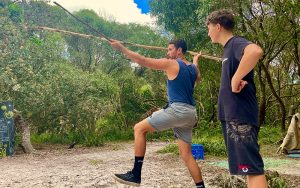
“Hanging out with you guys really helped me with my mental health this year.” Project participant
Youth leading the way in disaster resilience
Mission Possible, another standout project, engaged youth in a series of community-building initiatives, such as organising local clean-up days, planning social events, and leading awareness campaigns. Participants worked together to identify local needs, develop actionable project plans, and see the tangible results of their efforts in their own neighbourhoods. This hands-on approach empowered young people to:
- build their skills,
- feel pride in their contributions, and
- strengthen community bonds.
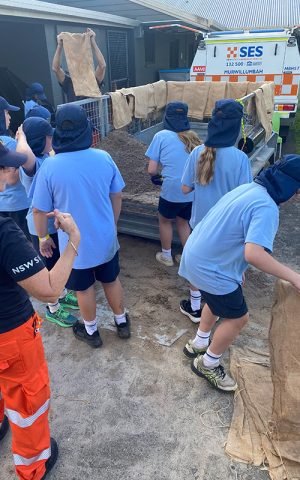
“I found the experience truly empowering.” Teacher from Crystal Creek Public School
Looking to the future
The successful outcomes from the Youth Participation Fund demonstrate the importance of investing directly in youth-led solutions to address complex challenges. As we look forward, the achievements of this past year provide a strong foundation, and we are optimistic about continuing to support programs that empower young people, ensuring they have the tools and opportunities to build a brighter, more resilient future for themselves and their communities.
Everyone matters.
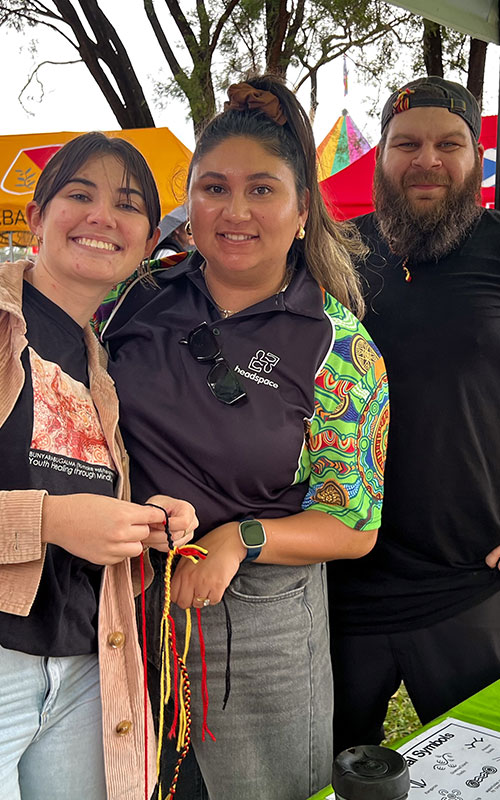
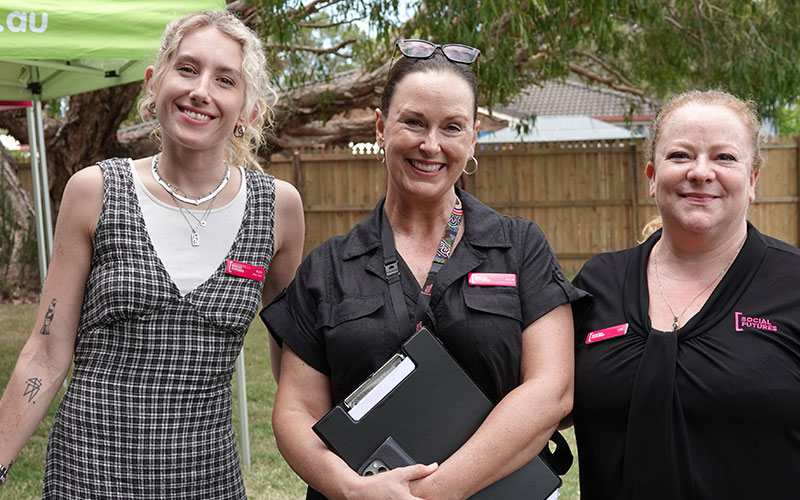
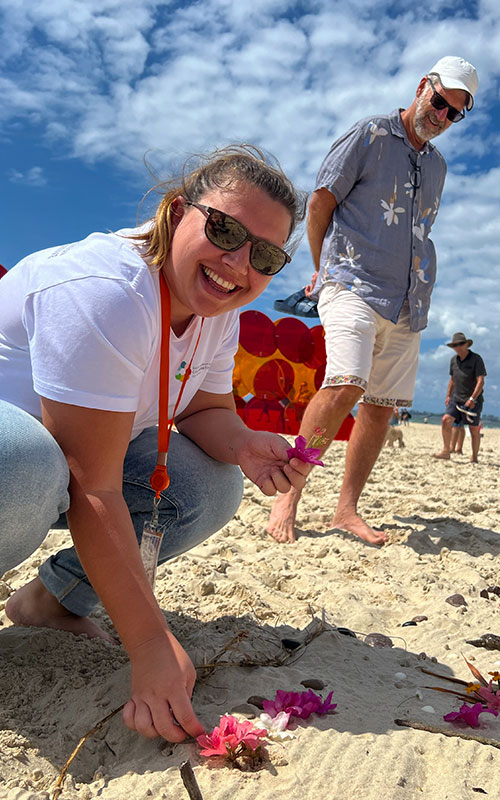
We embrace and celebrate our diversity. This empowers our people to create positive social change, together. Social Futures has a 0% Gender Pay Gap. We hold WRK+ Great Workplace Accreditation and Rainbow Tick Accreditation. Business Lismore announced Social Futures as 2025’s Employer of Choice – 21 Employees and Over. We will continue to foster connections, strengthen diversity and inclusion, and prioritise staff development, safety and wellbeing.
372
Employees
19.9%
People with disability, or carers of
11.6%
LGBTIQSB+ staff, Rainbow Tick awardee
9.4%
CALD staff
6.2%
First Nations staff
By the numbers
2024–25, building sustainably.
32,191
people supported on their journey to inclusion, wellbeing and independence
95,363
Total occasions of service throughout 2024-25
15,947
New program participants in 2024-25
18,673
People with disability supported across 39 programs and initiatives
88%
Participants were satisfied with the service provided by their program
3,928
Aboriginal and Torres Strait Islander participants supported across our footprint
17,680
Participants supported through our 3 disability inclusion programs
3,218
Participants supported through 9 housing and homelessness programs
4,230
Participants supported through 9 children, youth and family programs
7,063
Participants supported through 9 mental health and wellbeing programs
Our vision for reconciliation.
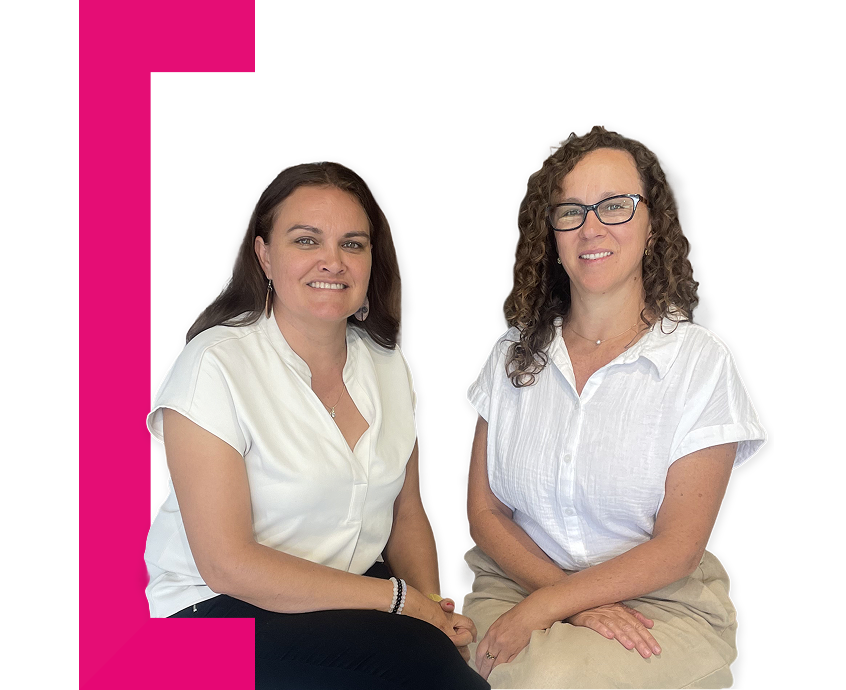
We believe that reconciliation is everyone’s business. Our vision is for genuine relationships, strong partnerships and connection between the wider Australian community and Aboriginal and Torres Strait Islander people. We acknowledge that access and connection to country, knowledge and people supports everyone’s wellbeing. We celebrate this within our Reconciliation Action Plan.
Our capabilities & services.
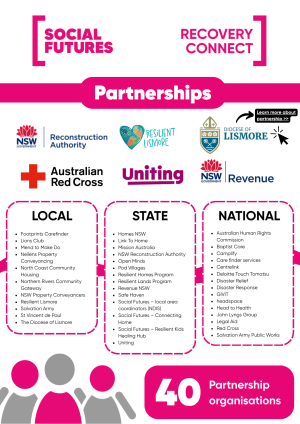
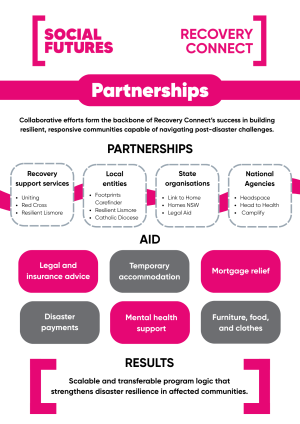
Over 49 years, we have built a strong and extensive network of partnerships, referral pathways and collaborations with other service providers and sector organisations.
Programs
Thriving people, strong communities



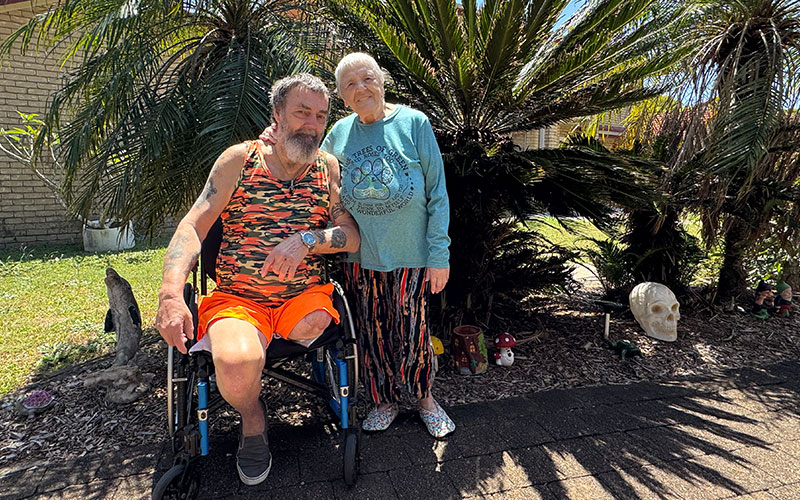
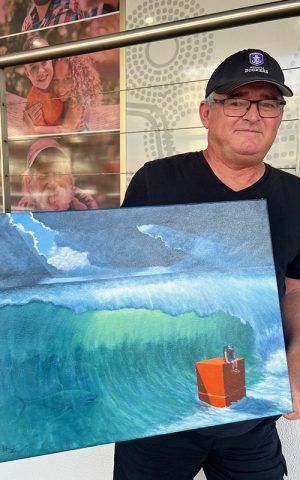
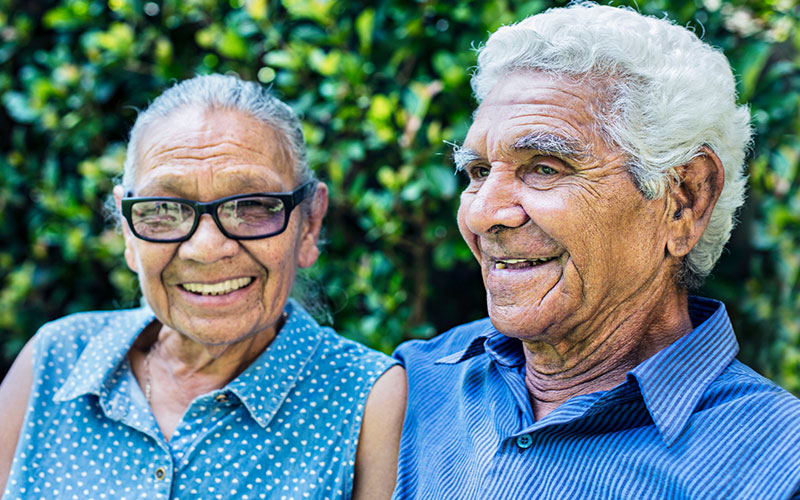











Advocacy
Championing community needs
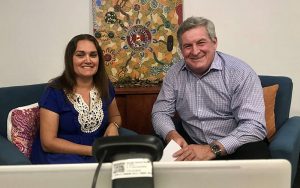
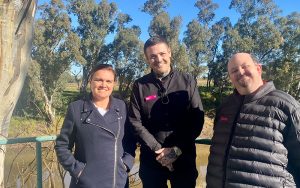
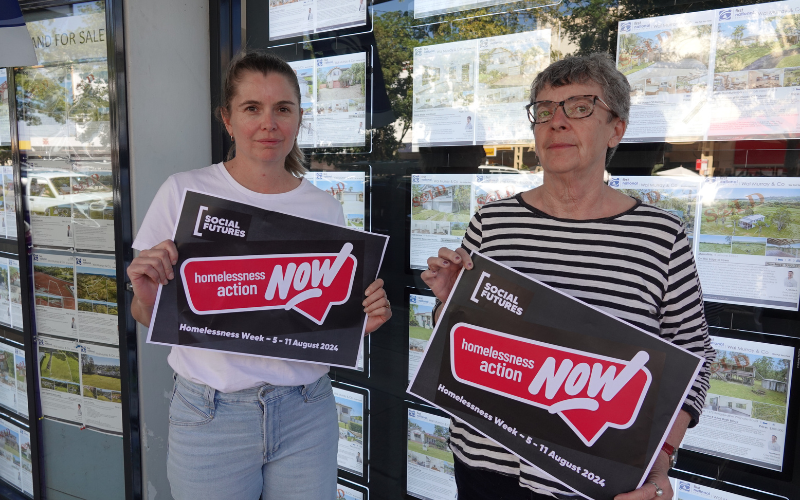
Social Futures is committed to advocating for the needs of our communities, especially the most vulnerable among us. As rising cost-of-living and housing pressures are being felt across Australia — and even more so in regional areas — our work is critical. We have actively championed change by lobbying local, state, and federal decision-makers to address these urgent issues, presenting our insights and solutions at national conferences, and engaging with media through interviews, releases and more. Through these efforts, our advocacy has reached over three million people, ensuring that the challenges faced by our communities are heard and acted upon.
Partners
Thank you to our funders and partners.
We are proud to work with communities, organisations and government. Together, we can achieve positive social change across our communities.




Partners
- Amarina Toby
- Bathurst Regional Council
- Byron Youth Service
- CASPA
- Central Coast Local Health District
- Clarence Valley Council
- Commonwealth Bank of Australia
- Connect Northern Rivers
- Corrective Services Industries
- Department of Education
- Diocese of Lismore Catholic Schools
- Dokotela
- Elanora State High School
- Human Nature Adventure Therapy
- Kyogle Family Support Service
- Kyogle Together
- Launch Housing
- Maari Ma Health Aboriginal Corporation
- Mark Scholes
- Momentum Collective
- Ministry of Minds
- Mudyala Aboriginal Corporation
- Murwillumbah Community Centre
- My Family Psychologist
- Narromine Golf Day
- Northern NSW Local Health District
- Open Minds Australia
- Pathfinders
- Police Citizens Youth Club NSW
- Queer Family
- Rekindling the Spirit
- Rotary Club of Terrigal
- Rural and Remote Mental Health
- Sally Ryan
- Samaritans Foundation Diocese of Newcastle
- Schizophrenia Fellowship of NSW
- Southern Cross University
- St Vincent De Paul Society NSW
- Surfing Australia
- The Buttery
- The Family Centre
- Northern Rivers Housing
- Tonina Harvey
- Wahroonga Foundation
- We Al-Li
- Wellways Australia
- YFoundations
- Yoorana Gunya Family Healing Centre Aboriginal Corporation
- YWCA NSW
Financials
Social Futures financial snapshot.
Financial position summary
The planned use of funds received in the prior year for current-year services has resulted in an equity position of $15.68 million and a reported deficit of $4.60 million. The result offsets the reported surplus of $5.67 million in the prior 2023–24 financial year, which included $9.66 million in funds received in advance. When correcting for timing of payments, and adjusting for grants recognised in advance, our equity position stands at $11.42 million, with an adjusted operating surplus of $794,979 for the 2024–25 financial year. We maintain a balance of $4.26 million in restricted cash, which consists of grant funding recognised in advance for services to be delivered in the upcoming year. These funds, held in cash and term deposits, contribute to our net equity. This positive financial outcome reflects our strategic focus on responsibly managing resources to build equity that supports ongoing service delivery and sustainability. Development of property assets have contributed to balance sheet growth and are expected to continue to do so in the coming financial year.
What is adjusted equity?
Adjusted equity refers to the financial position after discrepancies relating to the timing of grant funding are removed from the reported result and is intended to give a true picture of financial performance. It is now common practice for funding bodies to pay grant funding in advance for services to be delivered the following financial year. The Australian Accounting Standards Board requires that entities report income, including grants received in advance, as received in the financial year in which it was paid (AASB 1058), rather than to be reported as income in the year for which the services are required to be delivered. This requirement may result in an entity reporting a substantial surplus for the year where funding was paid and a corresponding deficit for the year in which the services are delivered. AASB 1058 reporting requirements may therefore give a distorted picture of an entity’s true financial position. Social Futures provides an adjusted equity figure in this report to reflect our genuine financial position.
Total revenue
$48.22 million
Surplus
$794,979*
*Adjusted operating surplus
Net equity
$11.42 million*
*Adjusted net equity
Funding source
Our funding sources are becoming more evenly balanced.
Assets
We are investing in the delivery of housing solutions for our communities.
Expenses
Our people and our program delivery are how we deliver positive social change.
Empowering people to thrive.
Our vision
Thriving people, strong communities
Our purpose
To achieve positive social change in our communities
Thank you
We would like to thank all our staff, funders, stakeholders, board, executive members and most of all our service users, for your valuable support.